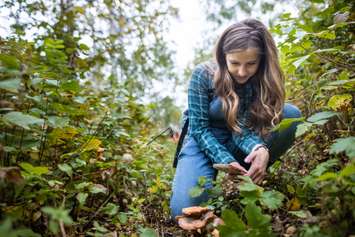
The Nature Conservancy of Canada (NCC) is asking residents to take photos of the wildlife they come across this Civic Holiday weekend to help support and preserve natural habitats.
Whether you’re staying close to home, or taking a trip to another destination within Canada. Anyone can participate in the fourth annual Big Backyard BioBlitz.
The initiative runs until August 7. The community-based science effort, likened to a game of “I spy” encourages individuals to snap photos of as many species of plants, animals and insects as possible within a specific area and time, and upload them to iNaturalist, a non-profit social networking app that allows both citizen scientists, and biologists to map and share observations of biodiversity across the globe.
Last year, nearly 3,600 Ontario residents participated in the national effort.
"The Big Backyard BioBlitz is a family-friendly activity, no matter how much or how little people know about nature. Newbies are welcome — no expertise or biology degree required," read a media release from NCC. "The more we know about nature, the more we can support it."
Observations collected will assist scientists with taking stock of local wildlife, track rare species and fight off invasive ones.
“This is a great way to be a part of something big. You can participate while sitting on your deck, strolling through your neighbourhood, while out paddling or on a weekend hike,” said NCC Conservation Biology Coordinator Megan Quinn. “By documenting the wild species that you see, including plants, birds, insects, mammals, reptiles, amphibians, lichen and fungi, you’re contributing to the protection of nature by helping conservation experts.”
Some important species in Ontario to watch for include the eight endangered species of turtles found throughout the province, pollinators such as bees, butterflies and wasps, and invasive plants such as phragmites, giant hogweed, and garlic mustard.
Last year, approximately 9,100 participants logged over 53,000 wildlife and plant observations across Canada. More than 5,300 different species were documented, the most frequent being monarch butterflies, which are classified as endangered globally.
The most common invasive species was wild carrot. Also known as Queen Anne’s lace, a non-native wildflower that grows along roadsides and outcompetes native plants for water, sunlight and space.
Those interested in contributing will need a smartphone, tablet or digital camera to take pictures and/or record the sounds of birds or other wildlife. Participants must register online at backyardbioblitz.ca.
After registering, a step-by-step guide on how to take part in the initiative will be emailed. Those partaking can also share their findings on their personal social media accounts with the hashtag #NCCBioBlitz to be entered to win a NCC prize pack.