


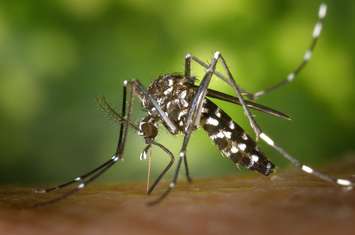
With Canada Day celebrations, cottage weekends, and backyard barbecues just around the corner, a mosquito expert is warning Ontarians to prepare for an increase in mosquito activity this summer.
Entomologist Taz Stuart says recent rainfall across parts of Ontario has created ideal conditions for nuisance mosquito populations to grow.
"I look at two-week windows and based on the precipitation levels in your area, you will potentially see an increase in summer nuisance mosquitoes coming up shortly," Stuart said.
The warning comes as many residents prepare to spend more time outdoors. Stuart says standing water remains one of the biggest contributors to mosquito problems around homes and cottages.
"It's very, very important to do that survey and get rid of those standing water sites," he said. "A little glass of water can produce a hundred to 250 mosquitoes."
Common breeding areas include clogged eavestroughs, bird baths, buckets, and other containers that collect water. Stuart notes mosquitoes can develop from egg to adult in as little as three days during hot weather.
For those planning Canada Day gatherings or evenings around the campfire, Stuart recommends avoiding peak mosquito activity at dusk and using insect repellent.
"Personal protection is key," he said. "Use a repellent and avoid when they're most active at dusk."
As for popular mosquito-control products, Stuart says citronella candles and Thermacell-style devices can provide some benefit, but only under the right conditions.
"If it's windy, they're not going to do anything for you," he said.
Stuart also reminds residents that mosquitoes are more than just a nuisance. West Nile virus remains the primary mosquito-borne disease concern in Canada.
"Overall numbers are down, but this year, with the amount of precipitation most of western and eastern Canada has gotten, we're going to see probably a surge in numbers because of that," he said.
While some people seem to attract more bites than others, Stuart says that's not just imagination. Female mosquitoes can be selective, often responding to factors such as body chemistry and carbon dioxide output.
With warmer weather settling in, Stuart says a little prevention now can help ensure mosquitoes don't spoil summer plans.