A federal NDP leadership candidate is encouraging Canadians to consider non-violent civilian defense as a response to rising political tensions south of the border.
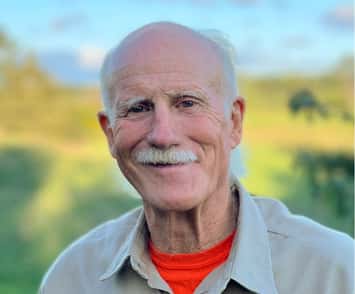
Tony McQuail of Lucknow combined his trip to Vancouver for the NDP leadership debate with efforts to share his knowledge.
While on the campaign trail, McQuail has been hosting workshops focused on strengthening local riding associations and building community resilience. A central theme of those sessions is what he calls unarmed civilian defence, or non-violent defence, as a response to growing instability tied to the current U.S. administration.
"Working to build on and support those people, and also to help them develop skills ... as Canadians for resisting non-violently should the U.S. decide to continue in its very threatening behavior," McQuail explained. "So workshops that help develop our skills at a community level."
McQuail pointed to research over the past century that supports the effectiveness of peaceful resistance.
“Non-violent resistance is two to three times as likely to produce a successful result, with far less damage to the population and the infrastructure,” he said. "It's far more likely to end up with a society afterwards that has better connections. The other thing about non-violent defense is that we can all participate."
He described the approach as ranging from peaceful obstruction to organized non-cooperation.
“When a civilian population refuses to get out of the way of invaders, but isn’t shooting at them, it becomes much much harder,” McQuail said.
According to McQuail, the preparation itself has value beyond any potential geopolitical conflict. He maintains that organizing communities around non-violent defence strengthens local networks and improves cooperation in the face of floods, wildfires, ice storms or other emergencies.
“It’s not just about running for something,” he added, "It’s about being able to share and give to our community."
McQuail added that his broader message throughout the campaign centres on collaboration across political and social divides
He described his campaign as deliberately modest in spending, relying on billeting, economy travel and continued small donations from supporters.